by Nikos Chatzis | 10 Jul, 2026 | Geopolitics, NATO, The Techne–Phronesis Negotiation Framework™
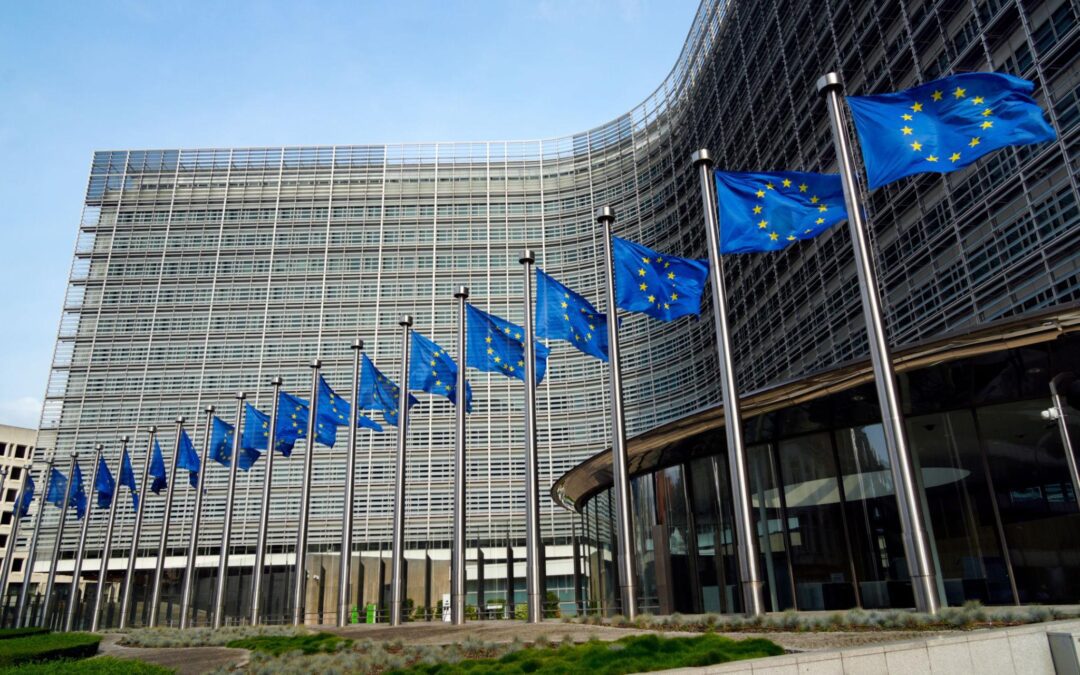
This essay argues that NATO 3.0 and EU Strategic Autonomy should not be understood as competing projects but as complementary pillars of a new Euro-Atlantic security architecture. TPNF provides a holistic framework for understanding how military innovation, democratic legitimacy, industrial resilience, and geopolitical prudence can be integrated into a coherent security doctrine for the twenty-first century.
by Nikos Chatzis | 9 Jul, 2026 | Geopolitics, NATO, The Techne–Phronesis Negotiation Framework™
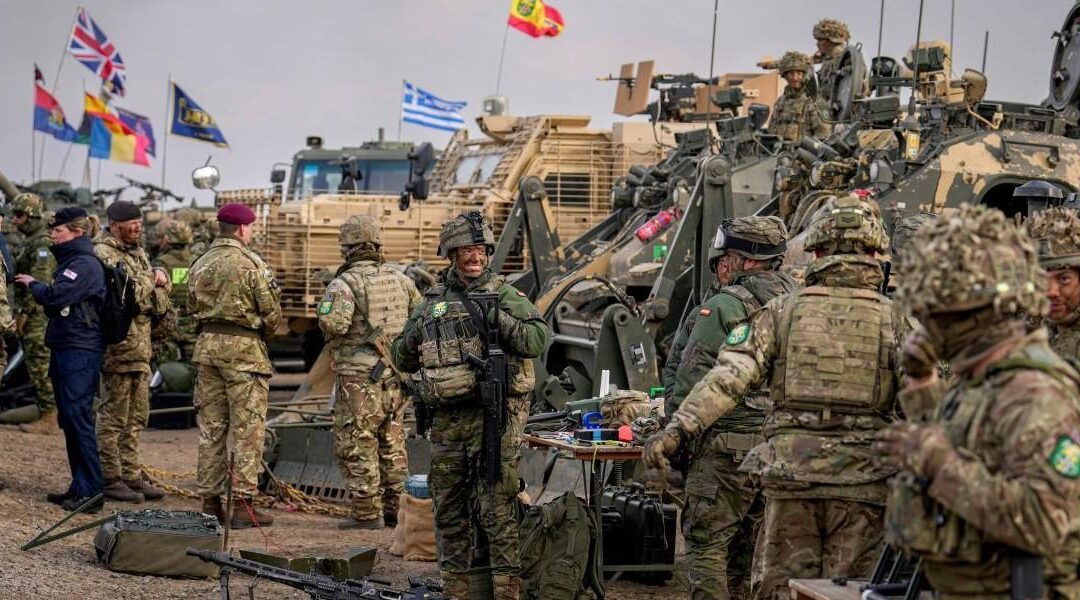
The Turkey Out of NATO Project 2028: This thesis applies the Techne–Phronesis Negotiation Framework™ (TPNF) to explain the project’s logic. Techne refers to NATO’s operational, technological, legal, and institutional capacity. Phronesis refers to strategic wisdom, ethical judgment, alliance prudence, and long-term political legitimacy. Through TPNF, Turkey Out of NATO Project 2028 can be understood not simply as a demand for expulsion, but as a strategic warning: NATO 3.0 cannot remain credible if it modernizes technologically while tolerating internal behavior that weakens trust, interoperability, and collective discipline.

by Nikos Chatzis | 8 Jul, 2026 | Geopolitics, The Techne–Phronesis Negotiation Framework™
This essay argues that networked strategic resilience depends upon the dynamic integration of technology, human judgment, institutional learning, and ethical decision-making across interconnected geopolitical and technological ecosystems. The Techne–Phronesis Negotiation Framework™ (TPNF) proposes that strategic resilience is best understood as an emergent property of adaptive networks integrating technical capability (techne) with practical wisdom (phronesis).
by Nikos Chatzis | 8 Jul, 2026 | Geopolitics, The Techne–Phronesis Negotiation Framework™
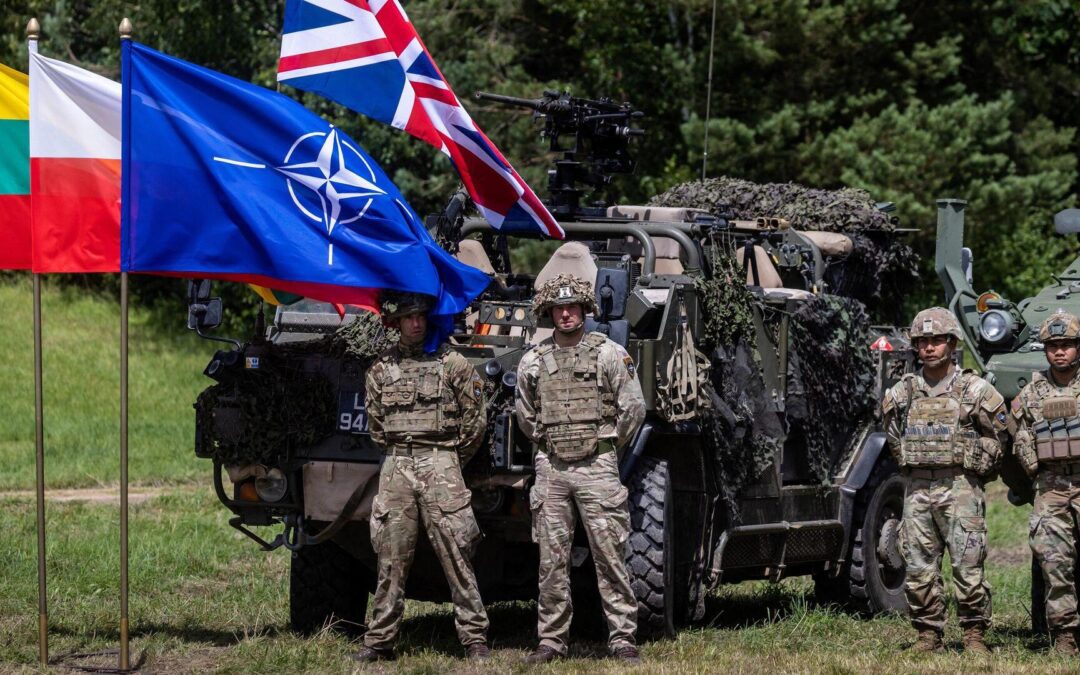
The essay integrates the Techne–Phronesis Negotiation Framework™, arguing that NATO 3.0 must combine technological superiority with strategic wisdom. NATO’s future credibility will depend not only on weapons, artificial intelligence, and industrial capacity, but also on institutional judgment, alliance discipline, democratic resilience, and the ability to manage opportunistic allies without becoming strategically dependent on them.

by Nikos Chatzis | 8 Jul, 2026 | Geopolitics, The Techne–Phronesis Negotiation Framework™
This thesis argues that no single actor controls modern technology alone. Instead, technological power is distributed across specialized national ecosystems: the United States dominates design, AI platforms and cloud; Taiwan controls leading-edge semiconductor manufacturing through TSMC; the Netherlands and Europe control key semiconductor equipment through ASML and industrial standards; Japan and South Korea remain essential in materials, equipment, memory and advanced manufacturing; China seeks self-sufficiency under export-control pressure; India is rising as a strategic technology and manufacturing platform; and the Middle East is using capital, energy and data-center infrastructure to become an AI and cloud hub. The Techne–Phronesis Negotiation Framework™ explains this transformation as a struggle to organize technological ecosystems into sustainable long-term geopolitical value.

by Nikos Chatzis | 7 Jul, 2026 | Geopolitics, The Techne–Phronesis Negotiation Framework™
The Techne–Phronesis Negotiation Framework™ provides a multidimensional analytical perspective for understanding this transformation by integrating technological capability, strategic wisdom, systems thinking, platform ecosystems, and long-term value creation into a unified geopolitical model.