
by Nikos Chatzis | 28 Jun, 2026 | Geopolitics
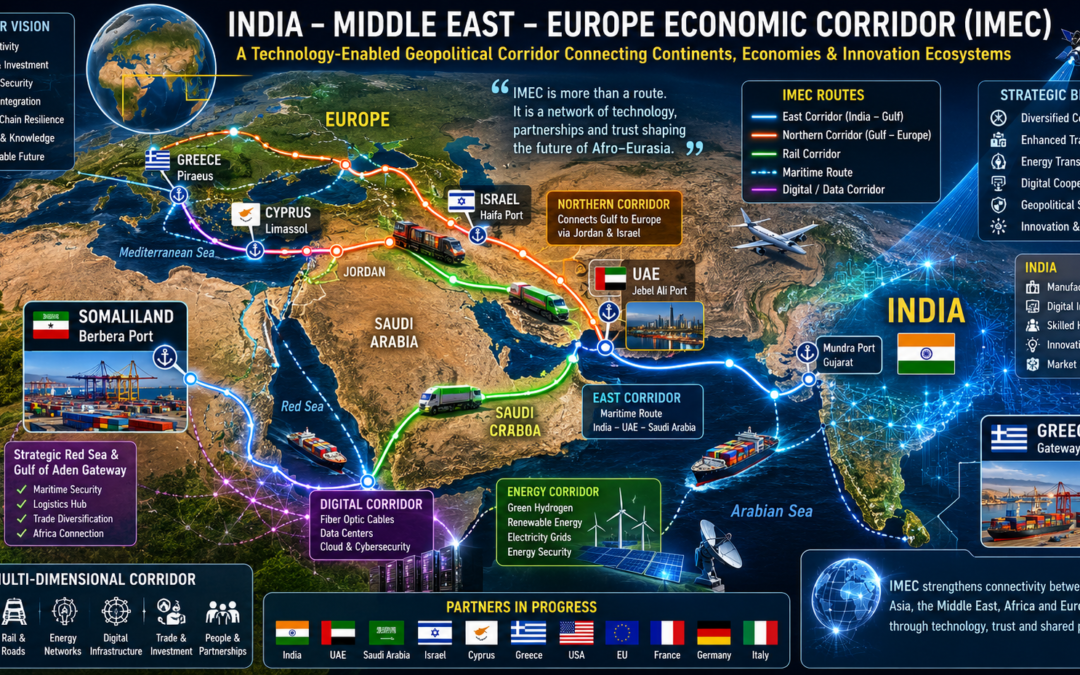
This essay argues that the central challenge facing the United States is not choosing between opposing regional blocs, but balancing multiple strategic partnerships while protecting long-term American interests. Countries including Greece, Cyprus, Israel, the United Arab Emirates and India each contribute differently to U.S. objectives in security, technology, logistics, energy, and regional stability. The contribution of Turkey is the big question today… The emergence of the India–Middle East–Europe Economic Corridor (IMEC) illustrates how technology and connectivity are becoming as important as traditional military alliances.
by Nikos Chatzis | 28 Jun, 2026 | digital sovereignty, energy security, geoeconomics, Geopolitics, Global Gateway, infrastructure diplomacy, strategic autonomy, Technology Diplomacy, Technology Ecosystems, Technology Evolution, trade diversification
This thesis argues that IMEC should be understood not merely as a route connecting India to Europe, but as a technology-enabled geopolitical ecosystem linking the Indo-Pacific, the Gulf, the Red Sea, the Eastern Mediterranean, and Europe.
by Nikos Chatzis | 27 Jun, 2026 | 3-D Negotiation, Geopolitics, Technology Ecosystems
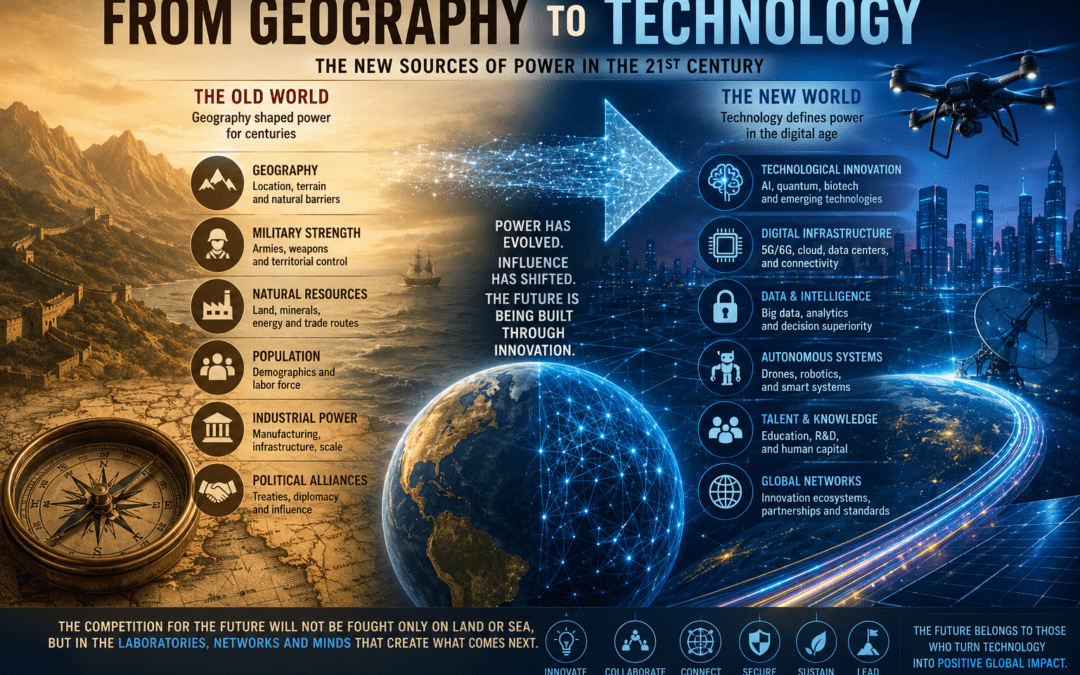
Abstract The twenty-first century is witnessing a profound transformation in the foundations of international power. While geography, military capability, natural resources, and economic strength have historically shaped international relations, technological...

by Nikos Chatzis | 24 Jun, 2026 | 3-D Negotiation, 3-D Διαπραγμάτευση, Aviation Technology, Digital Age, Drone Economy, Drones' Technology Management, eVTOL, Geopolitics, Innovation Ecosystems
The twenty-first century economy is increasingly organized around innovation ecosystems rather than isolated organizations. Emerging technologies such as artificial intelligence, unmanned aircraft systems, geospatial intelligence, advanced telecommunications, autonomous systems, and digital platforms are no longer developed within the boundaries of a single company or institution. The Technology Ecosystem 3D Negotiator is not merely a negotiator, diplomat, manager, or technology expert. Rather, this individual operates at the intersection of technology diplomacy, innovation ecosystem development, strategic negotiation, and international cooperation. Their primary mission is to design and sustain the environments in which innovation can flourish.
by Nikos Chatzis | 22 Jun, 2026 | 3-D Negotiation, 3-D Διαπραγμάτευση, Advanced Air Mobility / Urban Air Mobility (AAM) (UAM), Air Mobility Initiative (AIM), Artificial Intelligence, Aviation Technology, Defense & Security, Drones' Technology Management, Electric Aircraft, Electric Aviation, eVTOL, Geopolitics, UAS Investment, UAVs, UnManned Aerial Vehicles
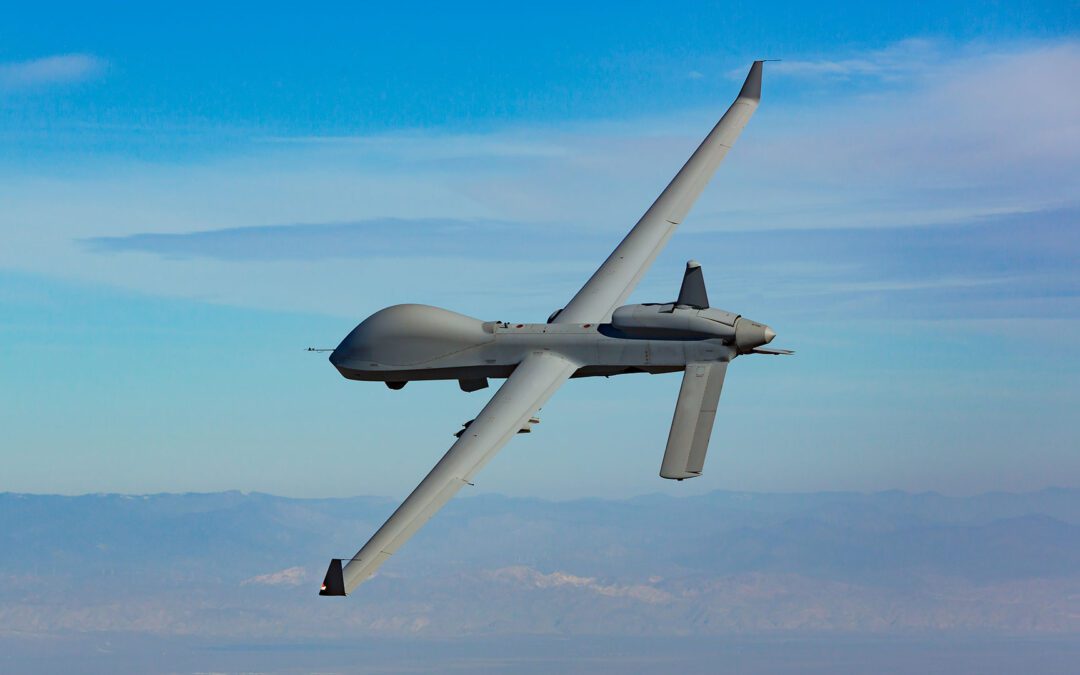
Few technologies have transformed international affairs as rapidly as Unmanned Aircraft Systems (UA S). Once regarded primarily as military surveillance platforms, drones have evolved into versatile tools that influence economic development, security policy, technological competition, environmental management, humanitarian operations, and international cooperation. The geopolitics of UAV technology is therefore not simply about who builds the best drone. It is about who controls the ecosystems, standards, data, partnerships, and innovation networks that will shape the future of unmanned aviation.
by Nikos Chatzis | 22 Jun, 2026 | 3-D Negotiation, 3-D Διαπραγμάτευση, Advanced Air Mobility / Urban Air Mobility (AAM) (UAM), Air Mobility Initiative (AIM), Artificial Intelligence, Aviation Technology, Electric Aircraft, Electric Aviation, eVTOL, Geopolitics, Investing in Unmanned Aviation, UAS Investment, UAV, UAVs
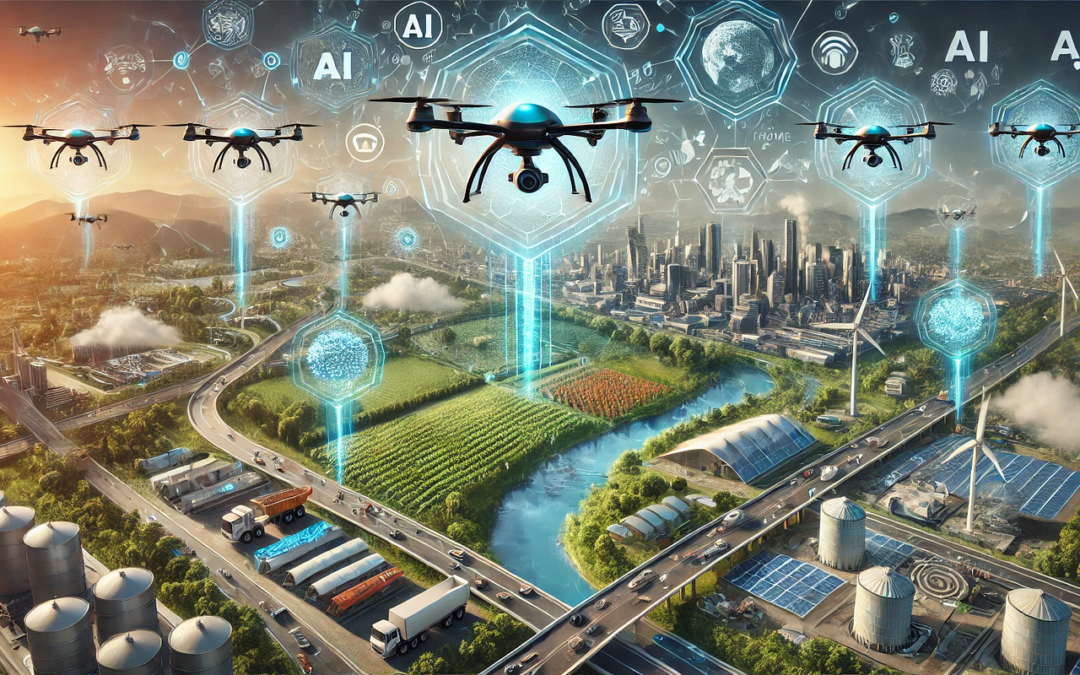
Emerging technologies are transforming the global economy at an unprecedented pace. Artificial intelligence, unmanned aircraft systems (UAS), autonomous systems, quantum computing, advanced robotics, geospatial intelligence, biotechnology, and next-generation communications are reshaping industries, institutions, and societies. In the technology sectors of the twenty-first century, success increasingly depends upon the ability to negotiate not only deals, but entire systems of cooperation.