Goal Consulting
The Techne–Phronesis Negotiation Framework™

Technology Diplomacy • Geopolitics • Innovation Ecosystems • Strategic Negotiation

Nikos Chatzis

The Techne–Phronesis Negotiation Framework™ (TPNF): Explaining Today’s Geoeconomy in the Black Sea, Eastern Mediterranean, and the Vertical Corridor By Nikos Chatzis / Goal Consulting

The Techne–Phronesis Negotiation Framework™ (TPNF): Explaining Today’s Geoeconomy in the Black Sea, Eastern Mediterranean, and the Vertical Corridor By Nikos Chatzis / Goal Consulting

The purpose of this essay is to explain how the Black Sea, the Eastern Mediterranean, and the Vertical Corridor collectively constitute one of the most dynamic geoeconomic regions of the twenty-first century. Rather than examining these regions separately, the essay demonstrates that they form an interconnected strategic ecosystem linking Europe with Southeast Europe, the Caucasus, the Middle East, and global markets. Through the TPNF, regional development is understood as a continuous process of strategic negotiation among governments, industries, infrastructure networks, international organizations, and technological ecosystems.

The Techne–Phronesis Negotiation Framework™ (TPNF): Explaining Current Trends in the Global Drone Industry (Case Study: Greece and the Balkans) By Nikos Chatzis/ Goal Consulting

The Techne–Phronesis Negotiation Framework™ (TPNF): Explaining Current Trends in the Global Drone Industry (Case Study: Greece and the Balkans) By Nikos Chatzis/ Goal Consulting

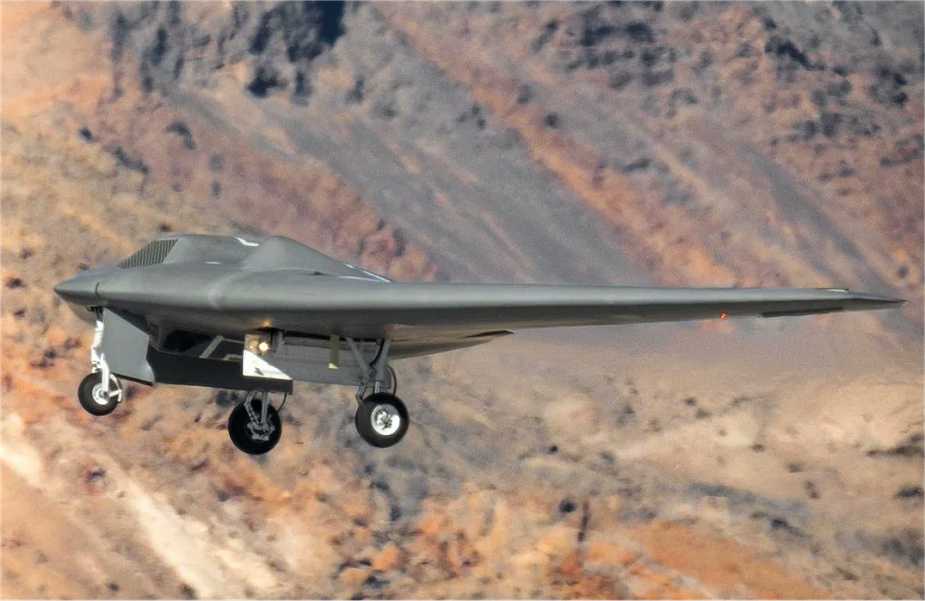
The drone industry has become one of the fastest-evolving sectors of the global technological economy. Artificial intelligence, autonomous navigation, advanced sensors, telecommunications, cloud computing, and data analytics have transformed drones into strategic platforms supporting defense, emergency response, infrastructure inspection, agriculture, logistics, environmental monitoring, and public administration. At the same time, geopolitical competition has increased investment in drone manufacturing, counter-drone capabilities, and resilient industrial ecosystems. The Techne–Phronesis Negotiation Framework™ (TPNF) explains these developments by viewing the drone industry as a complex adaptive system where technological capability (techne), practical wisdom (phronesis), systems thinking, and strategic negotiation interact continuously.

The Techne–Phronesis Negotiation Framework™ (TPNF): A General Theory of Strategic Adaptation in Complex Technological Civilizations By Nikos Chatzis / Goal Consulting

The Techne–Phronesis Negotiation Framework™ (TPNF): A General Theory of Strategic Adaptation in Complex Technological Civilizations By Nikos Chatzis / Goal Consulting

The purpose of this essay is to establish the Techne–Phronesis Negotiation Framework™ (TPNF) as a comprehensive theoretical architecture for understanding strategic adaptation within complex technological civilizations. The framework argues that enduring success no longer depends upon technological superiority alone, but upon the continuous integration of innovation, learning, ethics, and strategic adaptation across complex technological civilizations.

The Techne–Phronesis Negotiation Framework™ (TPNF) How is Technology Becoming the Organizing Principle of Modern Civilization? By Nikos Chatzis / Goal Consuting

The Techne–Phronesis Negotiation Framework™ (TPNF) How is Technology Becoming the Organizing Principle of Modern Civilization? By Nikos Chatzis / Goal Consuting

This essay introduces the Techne–Phronesis Negotiation Framework™ (TPNF) as an interdisciplinary strategic framework that integrates technical excellence (Techne), practical wisdom (Phronesis), and strategic negotiation to explain and govern this civilizational transition. Drawing upon Aristotelian philosophy, systems thinking, strategic leadership, and technology governance, The accelerating pace of technological innovation is fundamentally transforming the structure of modern civilization. Technology is no longer merely a collection of tools that support economic and social development; it is increasingly becoming the organizing principle through which institutions govern, economies create value, societies interact, and geopolitical power is exercised. The essay concludes that the defining challenge of the twenty-first century is not technological advancement itself, but humanity’s capacity to govern technological transformation responsibly through adaptive leadership, resilient institutions, and practical wisdom.

The Techne–Phronesis Negotiation Framework™ (TPNF): Explaining the Role of Artificial Intelligence in Contemporary Diplomacy and Analysing Emerging Geopolitical Challenges By Nikos Chatzis / Goal Consulting

The Techne–Phronesis Negotiation Framework™ (TPNF): Explaining the Role of Artificial Intelligence in Contemporary Diplomacy and Analysing Emerging Geopolitical Challenges By Nikos Chatzis / Goal Consulting

The Techne–Phronesis Negotiation Framework™ (TPNF) proposes that AI should be understood as a strategic capability embedded within complex adaptive diplomatic systems rather than as an autonomous decision-maker. The essay explores the implications of AI for contemporary diplomacy and demonstrates that resilient geopolitical decision-making depends upon the continuous interaction between technological innovation and practical wisdom.

The Techne–Phronesis Negotiation Framework™ (TPNF): Explaining State Competition Through Technological Ecosystems and Contemporary Global Geopolitical Realities By Nikos Chatzis / Goal Consulting

The Techne–Phronesis Negotiation Framework™ (TPNF): Explaining State Competition Through Technological Ecosystems and Contemporary Global Geopolitical Realities By Nikos Chatzis / Goal Consulting

The Techne–Phronesis Negotiation Framework™ (TPNF) proposes that technological ecosystems should be understood as complex adaptive systems governed through the interaction of technical capability (techne), practical wisdom (phronesis), systems thinking, and strategic negotiation. Rather than viewing technological competition as a purely economic or military phenomenon, the framework explains how innovation, governance, institutional learning, and geopolitical strategy co-evolve. This essay demonstrates that sustainable geopolitical influence depends upon the ability to negotiate resilient technological ecosystems capable of adapting continuously to an increasingly uncertain international environment.

The Techne–Phronesis Negotiation Framework™ (TPNF): The Geopolitics of Technological Civilization—Explaining Today’s Realities and Future Ambitions By Nikos Chatzis / Goal Consulting

The Techne–Phronesis Negotiation Framework™ (TPNF): The Geopolitics of Technological Civilization—Explaining Today’s Realities and Future Ambitions By Nikos Chatzis / Goal Consulting

The Techne–Phronesis Negotiation Framework™ (TPNF) argues that technological civilization should be understood as a complex adaptive system in which strategic outcomes emerge through the continuous interaction of technical capability (techne), practical wisdom (phronesis), systems thinking, and adaptive negotiation. Rather than treating technology as an end in itself, the framework emphasizes that its strategic value depends upon wise governance, institutional resilience, ethical leadership, and international cooperation. This essay explores the geopolitical implications of technological civilization and demonstrates how the TPNF provides an integrative architecture for understanding both today’s realities and future ambitions.

The Techne–Phronesis Negotiation Framework™ (TPNF): Technology Becomes Practical When Ideas Become Operations and Learning Becomes Capability By Nikos Chatzis / Goal Consulting

The Techne–Phronesis Negotiation Framework™ (TPNF): Technology Becomes Practical When Ideas Become Operations and Learning Becomes Capability By Nikos Chatzis / Goal Consulting

The Techne–Phronesis Negotiation Framework™ (TPNF) proposes that operational excellence emerges through the integration of technical capability (techne), practical wisdom (phronesis), systems thinking, and adaptive negotiation. Technology becomes practical when innovation is embedded within organizational processes, and learning becomes capability when knowledge is continuously transformed into resilient institutional performance. This essay argues that future competitiveness depends less upon acquiring technology than upon developing the organizational capacity to operationalize knowledge, adapt continuously, and negotiate complexity effectively.

The Techne–Phronesis Negotiation Framework™ (TPNF): The Geopolitics of Technological Civilization—Explaining Today’s Realities and Future Ambitions By Nikos Chatzis / Goal Consulting

The Techne–Phronesis Negotiation Framework™ (TPNF): The Geopolitics of Technological Civilization—Explaining Today’s Realities and Future Ambitions By Nikos Chatzis / Goal Consulting

The Techne–Phronesis Negotiation Framework™ (TPNF) proposes that technological civilization should be understood as a complex adaptive system in which strategic outcomes emerge through the continuous interaction of technical capability (techne), practical wisdom (phronesis), systems thinking, and adaptive negotiation. Rather than viewing technology as an independent source of power, the framework demonstrates that its strategic value depends upon the capacity to integrate innovation with governance, ethics, institutional learning, and international cooperation. This essay explores the geopolitical implications of technological civilization and argues that future ambitions will be realized through resilient networks rather than isolated capabilities.

The Techne–Phronesis Negotiation Framework™ (TPNF): Explaining the Strategic Importance of Today’s Supply Chains for Future Value Creation—The Case of China By Nikos Chatzis / Goal Consulting

The Techne–Phronesis Negotiation Framework™ (TPNF): Explaining the Strategic Importance of Today’s Supply Chains for Future Value Creation—The Case of China By Nikos Chatzis / Goal Consulting

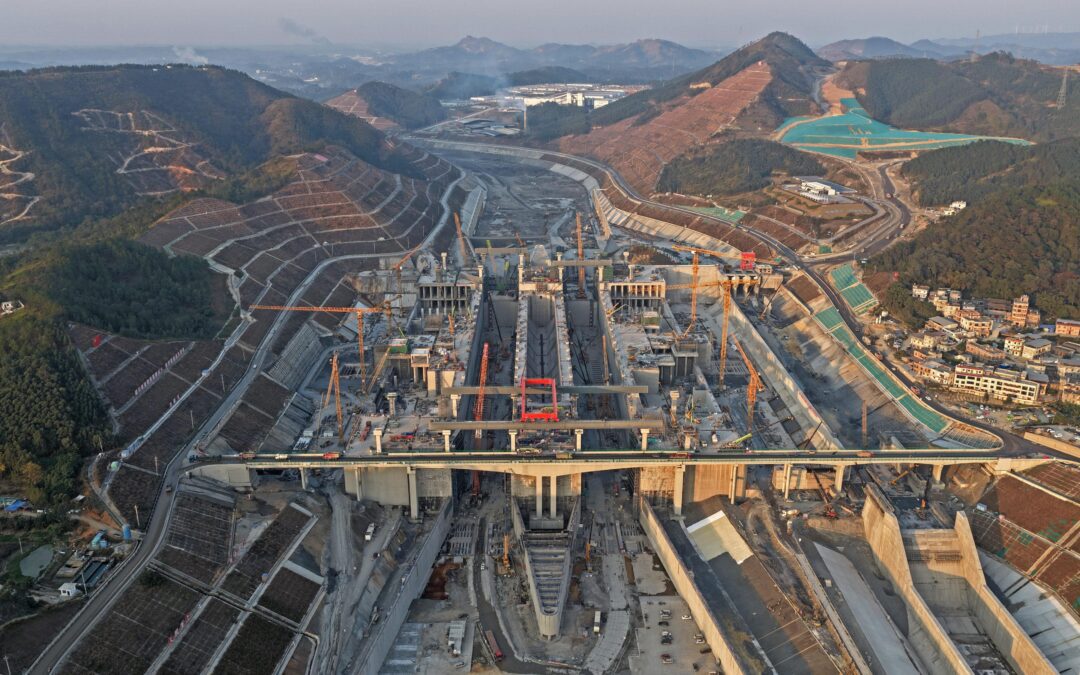
The Techne–Phronesis Negotiation Framework™ (TPNF) argues that strategic supply-chain resilience emerges through the integration of technical capability (techne), practical wisdom (phronesis), systems thinking, and adaptive negotiation. Using China as a case study, this essay examines how long-term investment in manufacturing capacity, technological innovation, infrastructure, and global connectivity has transformed supply chains into instruments of national strategy.