by Nikos Chatzis | 13 Sep, 2026 | geoeconomics, Geoeconomy, Geopolitics, Oil Economy, The Techne–Phronesis Negotiation Framework™, War
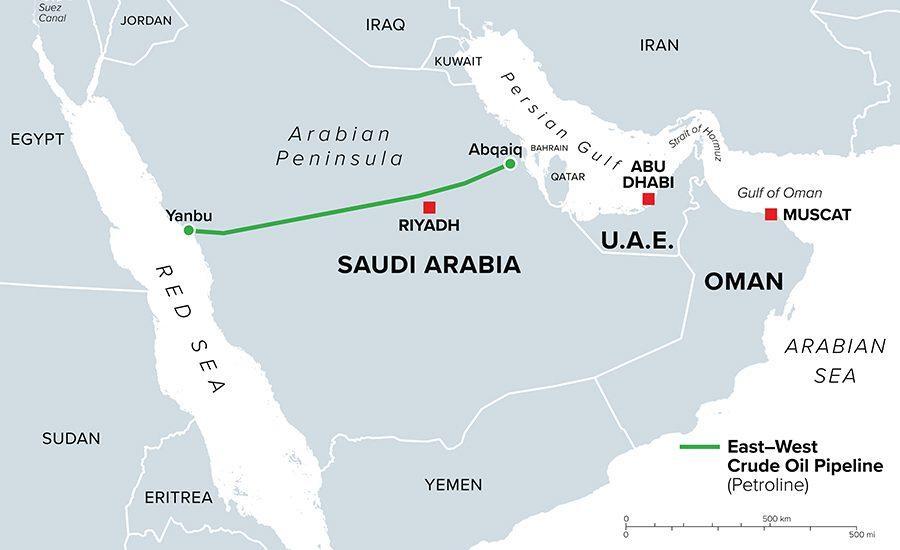
This TPNF essay examines how the Houthi advance in Yemen, attacks against Saudi energy infrastructure, disruption around Hormuz and increasing inflationary pressures are becoming interconnected components of the same strategic system. Through the Techne–Phronesis Negotiation Framework™ (TPNF), it asks whether military escalation can become strategically self-constraining when its economic consequences progressively reduce the freedom of action of the power pursuing it.
by Nikos Chatzis | 13 Sep, 2026 | Technology Ecosystems, The Techne–Phronesis Negotiation Framework™, War Drones
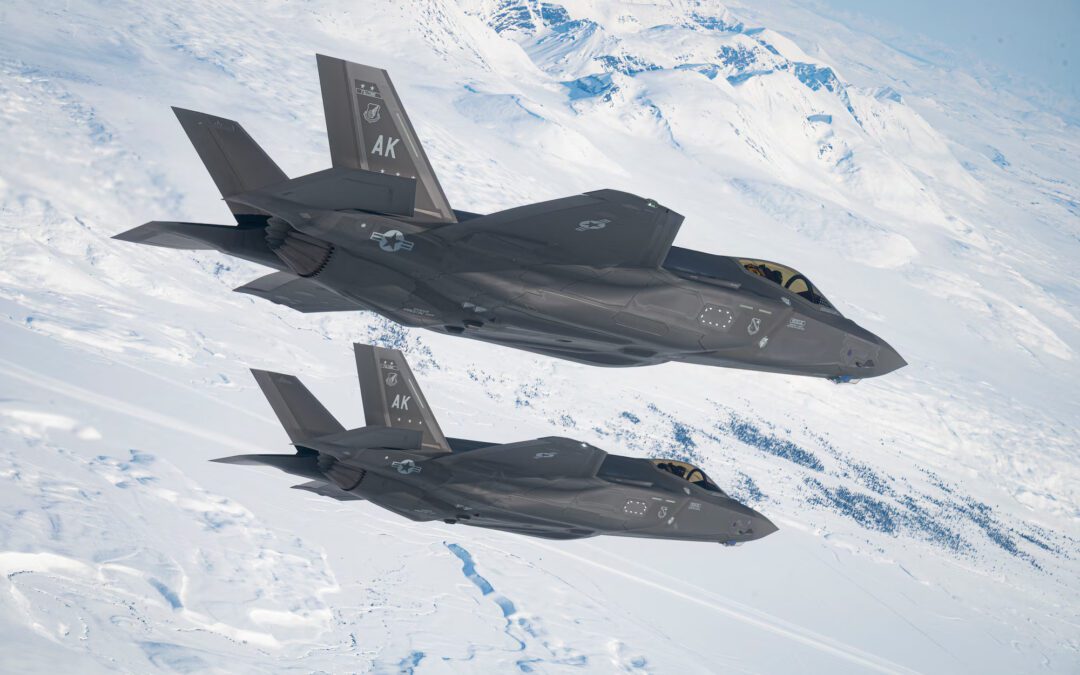
This TPNF essay uses Lockheed Martin’s latest teaser—and the technological trajectory represented by Vectis—to examine the transformation of future air warfare. The objective is not to speculate about classified capabilities. Rather, through the Techne–Phronesis Negotiation Framework™ (TPNF), it examines how autonomy, artificial intelligence, stealth, open architectures and human-machine collaboration may change the fundamental unit of air power from the individual aircraft to the technological ecosystem.
by Nikos Chatzis | 12 Sep, 2026 | The Techne–Phronesis Negotiation Framework™, UAS Investment, UAV, UAVs, UCAV, War Drones
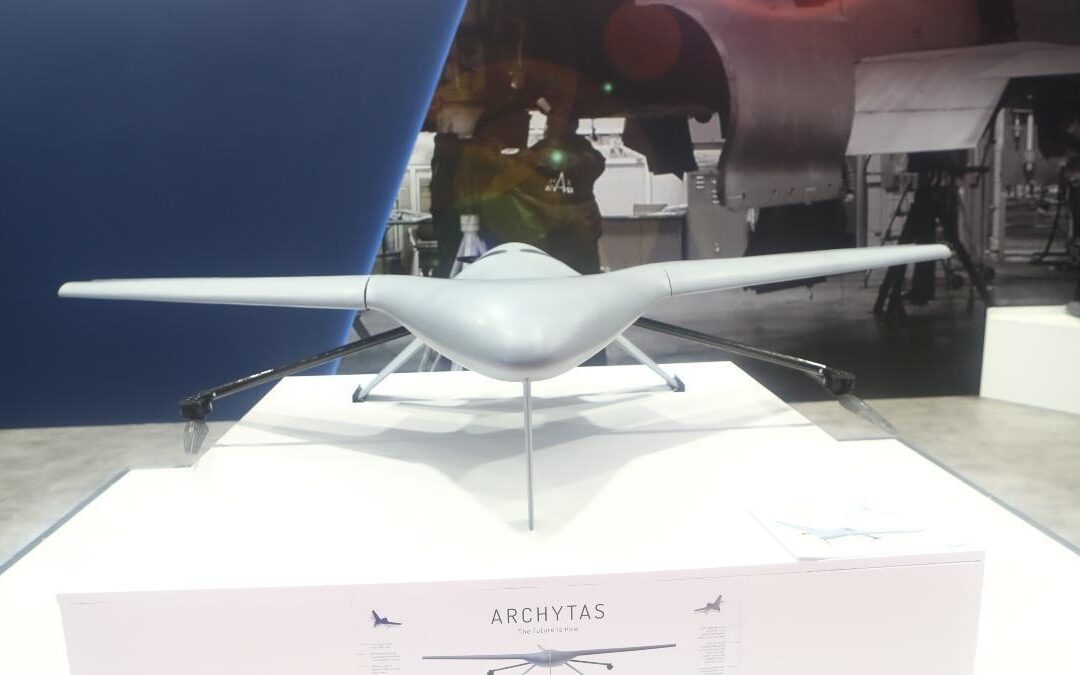
This TPNF essay examines how Greece can convert indigenous unmanned technology from individual platforms into sustainable national strategic capability. Using ARCHYTAS as the starting point, it argues that the greatest long-term value would emerge by connecting domestic UAVs, unmanned maritime systems, counter-UAS technologies, artificial intelligence, sensors, communications, command-and-control, universities, defence companies and operational users within a common learning ecosystem.

by Nikos Chatzis | 11 Sep, 2026 | Geopolitics, The Techne–Phronesis Negotiation Framework™, War
This TPNF essay examines the economic consequences of the Houthi advance along Yemen’s Red Sea coast and the associated increase in risks surrounding Saudi oil exports. It connects developments around Bab el-Mandeb with rising oil prices, increasing government bond yields, inflation expectations and monetary-policy pressures. Its central argument is that contemporary geopolitical shocks increasingly propagate through interconnected ecosystems.

by Nikos Chatzis | 10 Sep, 2026 | Space, The Techne–Phronesis Negotiation Framework™, Value Creation
This TPNF essay examines human space exploration as both an inspirational civilizational project and an emerging foundation for extraterrestrial value creation. It argues that scientific exploration, human spaceflight, robotics, communications, energy systems, autonomous technologies and space infrastructure gradually create capabilities that future generations may transform into forms of value that cannot yet be completely predicted.

by Nikos Chatzis | 10 Sep, 2026 | Geopolitics, Operational Capability, The Techne–Phronesis Negotiation Framework™, War
This TPNF essay examines the current disposition of U.S. aircraft carriers and distinguishes between numerical fleet strength, active deployment and effective operational capability. It argues that evaluating naval power requires understanding not only where carriers are located but also readiness, air-wing capability, logistics, crew endurance, maintenance, ammunition, escort availability and the capacity to rotate forces without creating strategic gaps elsewhere.
by Nikos Chatzis | 10 Sep, 2026 | Artificial Intelligence AI, Big Data, Robotics, The Techne–Phronesis Negotiation Framework™, trade diversification
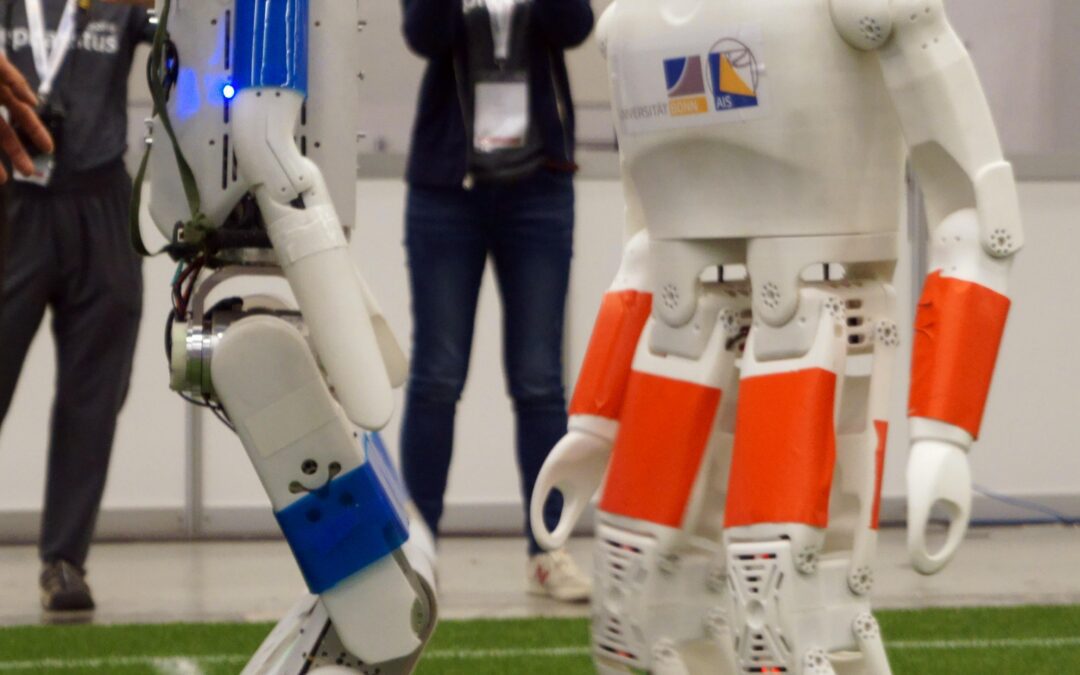
This TPNF essay examines why humanoid robot competitions should be interpreted not merely as sporting spectacles but also as technological experimentation. It explores how artificial intelligence, Big Data, sensors, robotics engineering and repeated physical testing interact to improve humanoid reliability and prepare robots for everyday applications.
by Nikos Chatzis | 9 Sep, 2026 | MALE UAVs, Military UAS Technology, Modern Network-Centric Warfare, The Techne–Phronesis Negotiation Framework™, UCAV, War, War Drones
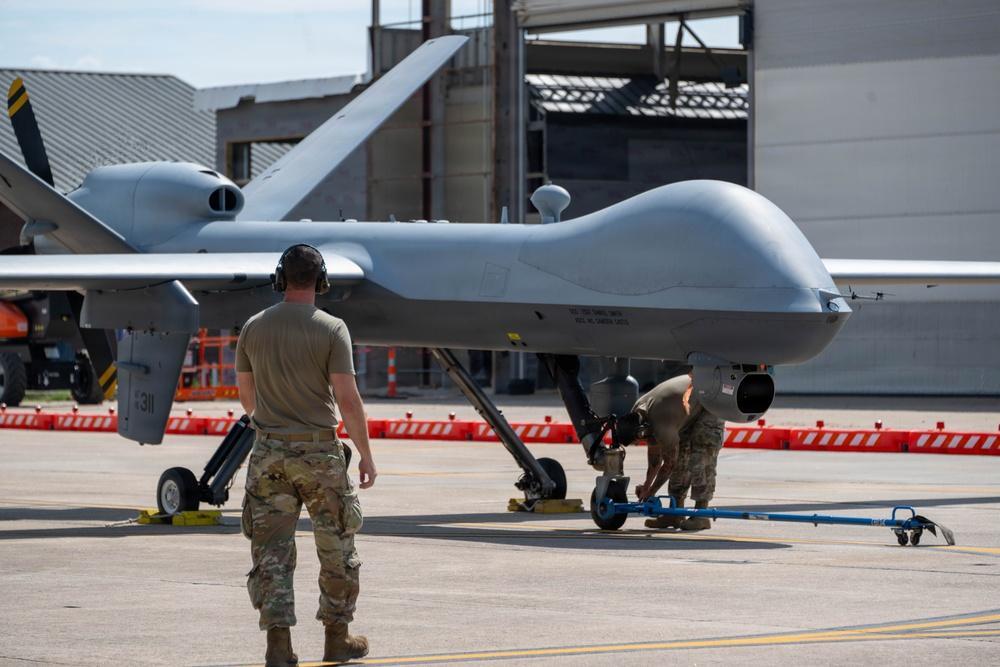
This TPNF essay examines General Atomics’ Wildfire concept within the Pentagon’s search for a new generation of lower-cost, modular MALE unmanned aircraft. It asks whether the evolution beyond the MQ-9 represents primarily technological innovation or something more fundamental: a reassessment of the relationship between capability, cost, survivability, quantity and operational sustainability.
by Nikos Chatzis | 9 Sep, 2026 | Economy, The Techne–Phronesis Negotiation Framework™, Value Creation
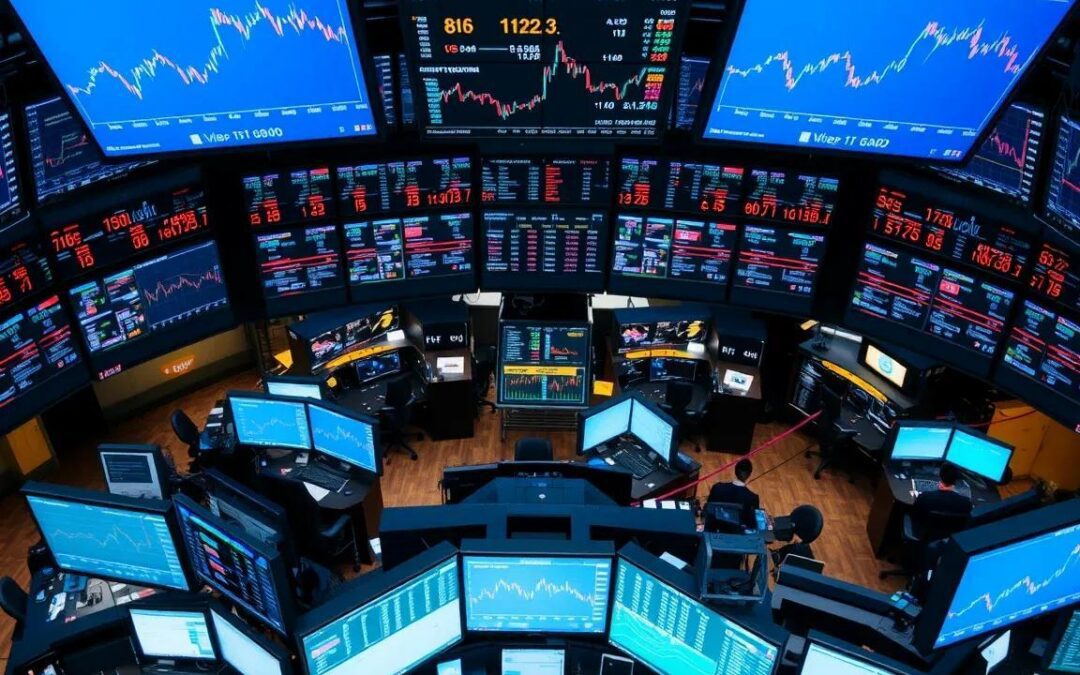
This TPNF essay explains how monetary institutions, governments, financial markets, technology platforms and private actors interact in creating—or undermining—long-term economic stability.
It moves beyond the traditional question of which institution is responsible for economic stability and asks instead: How must different economic actors interact so that stability does not merely preserve today’s economy but increases its capacity to adapt to tomorrow’s disruptions?
by Nikos Chatzis | 9 Sep, 2026 | Geopolitics, The Techne–Phronesis Negotiation Framework™
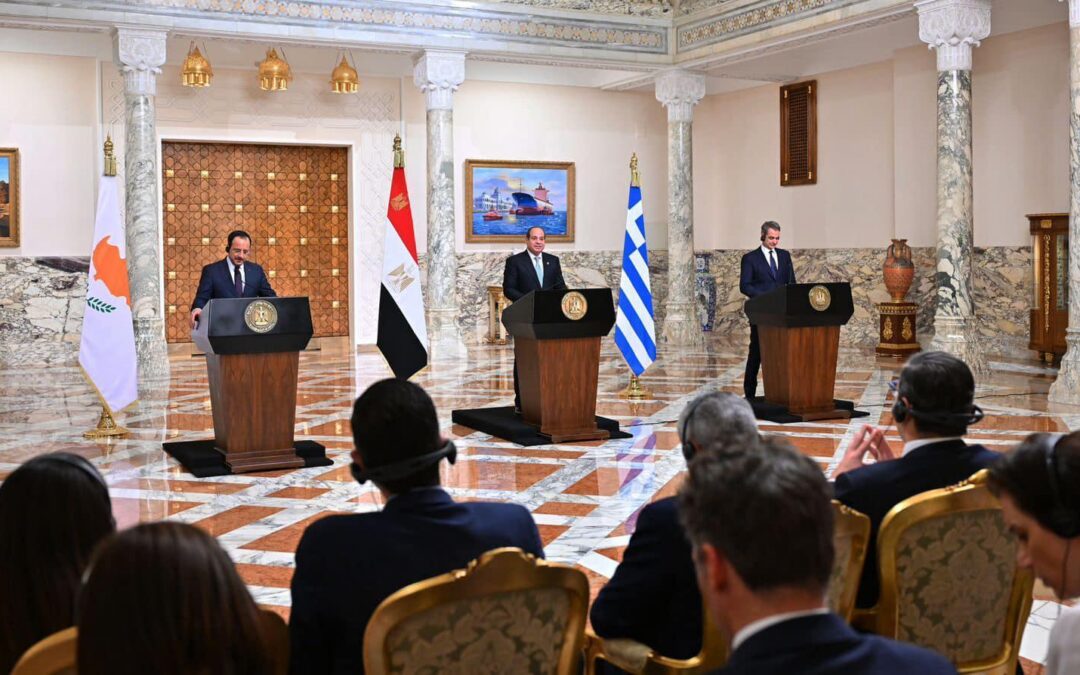
This TPNF essay examines the geopolitical significance of Greece–Cyprus–Egypt cooperation as the U.S.–Iran confrontation expands geographically. It asks how an established regional partnership can contribute to security, energy resilience, diplomatic coordination and crisis management without becoming another mechanism of escalation. The deeper question is: Can regional cooperation create strategic stability precisely because it is designed to connect rather than divide?