by Nikos Chatzis | 29 Jul, 2026 | Ecosystem Dynamics, Technological Civilization, Technology Corridors, Technology Evolution, The Techne–Phronesis Negotiation Framework™
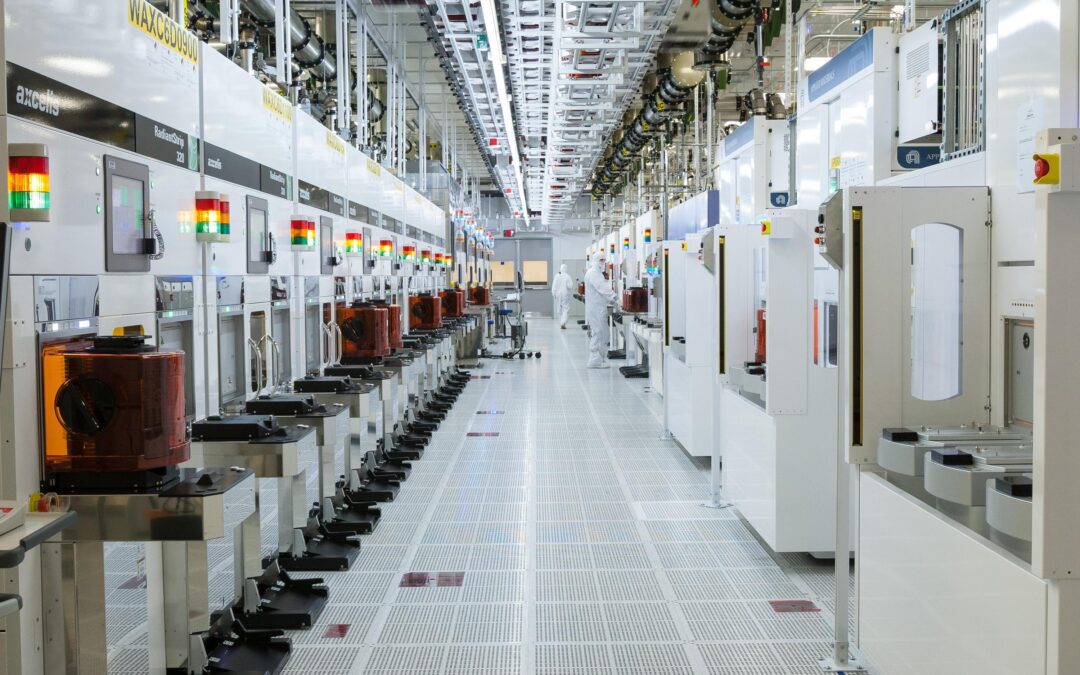
This essay applies the Techne–Phronesis Negotiation Framework™ (TPNF) to analyze the strategic significance of CXMT’s historic Shanghai STAR Market debut. It argues that memory semiconductor production has evolved from a commercial activity into a strategic capability that shapes technological ecosystems, AI competitiveness, national security, and the future balance of global economic power. The essay argues that future geopolitical competition will increasingly revolve around technological ecosystems rather than individual products, with semiconductor memory becoming a decisive element of long-term strategic value creation.
by Nikos Chatzis | 28 Jul, 2026 | Ecosystem Dynamics, Geopolitics, The Techne–Phronesis Negotiation Framework™
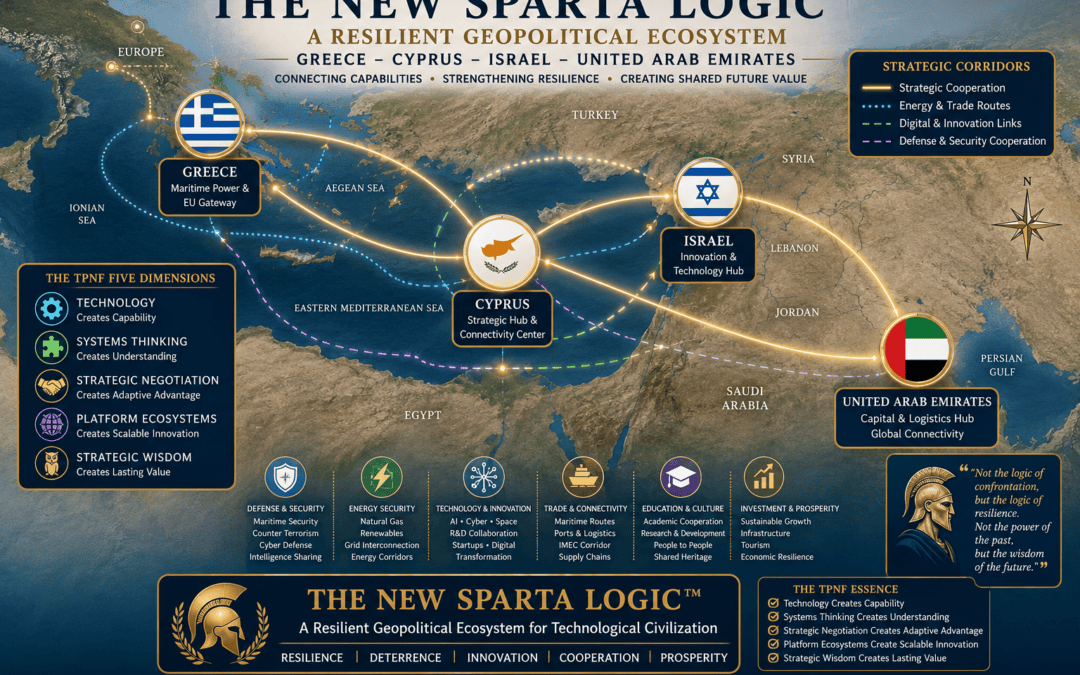
This essay explains how the Techne–Phronesis Negotiation Framework™ (TPNF) interprets the evolving Greece–Israel–UAE relationship as an integrated geopolitical ecosystem. It introduces the concept of the “New Sparta Logic” to describe a modern strategic approach based on technological leadership, adaptive cooperation, and multidimensional security rather than territorial expansion or military dominance alone.

by Nikos Chatzis | 28 Jul, 2026 | Platform Ecosystems, Sustainable Value Creation, Systems Integration, The Techne–Phronesis Negotiation Framework™
This manifesto introduces the origins, intellectual foundations, problem-solving philosophy, core principles, and future evolution of the Techne–Phronesis Negotiation Framework™ (TPNF). It presents TPNF as an evolving strategic framework designed to help leaders understand complexity, negotiate adaptation, and create sustainable value in an era of accelerating technological transformation.

by Nikos Chatzis | 27 Jul, 2026 | Artificial Intelligence, Comparative Advantage, The Techne–Phronesis Negotiation Framework™
This essay examines how Artificial Intelligence is reshaping comparative advantage in the contemporary global economy through the analytical perspective of the Techne–Phronesis Negotiation Framework™ (TPNF). It identifies the characteristics of future winners and losers and argues that long-term prosperity depends upon the strategic integration of technology, institutions, ecosystems, leadership, and wisdom.
by Nikos Chatzis | 27 Jul, 2026 | Geopolitics, Global Gateway, The Techne–Phronesis Negotiation Framework™
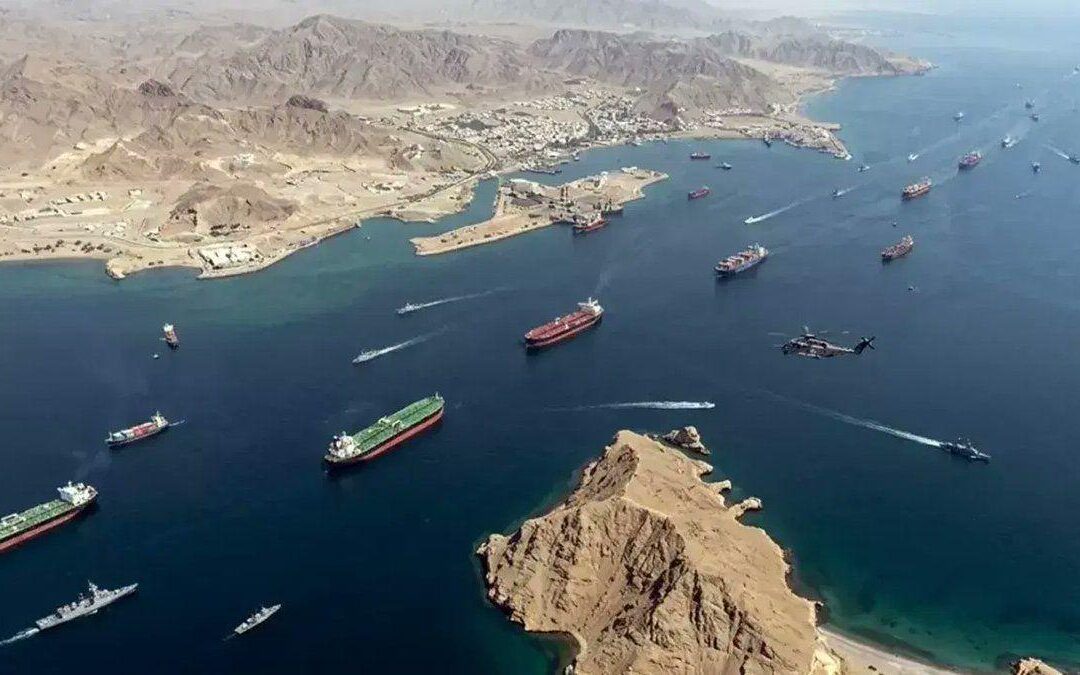
This essay applies the Techne–Phronesis Negotiation Framework™ (TPNF) to examine the regional and international geopolitical implications of Houthi attacks on Saudi oil infrastructure and the subsequent slowdown of commercial shipping through the Bab el-Mandeb Strait. It argues that this strategic maritime corridor should be understood not merely as a geographical chokepoint but as a multidimensional platform ecosystem whose disruption generates cascading effects across global energy markets, maritime logistics, regional diplomacy, and international security.