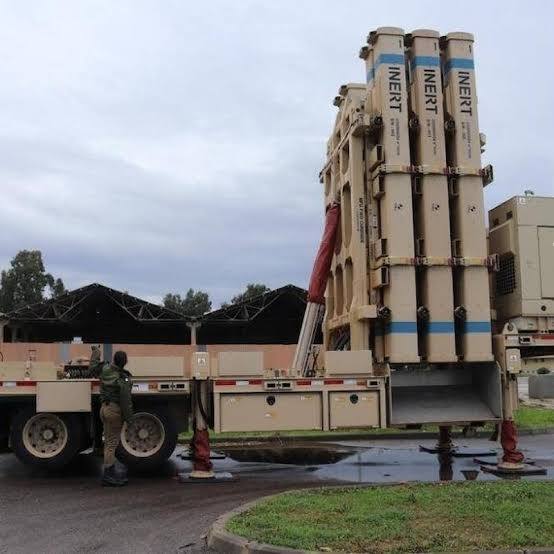
by Nikos Chatzis | 23 Jul, 2026 | Defense & Security, Geopolitics, The Techne–Phronesis Negotiation Framework™
This essay examines the geopolitical significance of Greece’s proposed Achilles’ Shield through the Techne–Phronesis Negotiation Framework™ (TPNF). It argues that the integration of David’s Sling, Barak MX, SPYDER, Patriot, HAWK, Drone Dome, ELM-2084, and complementary non-kinetic anti-drone capabilities should be understood not as separate defense acquisitions but as interconnected components of a resilient strategic ecosystem that strengthens national security, NATO interoperability, regional deterrence, and long-term strategic resilience.
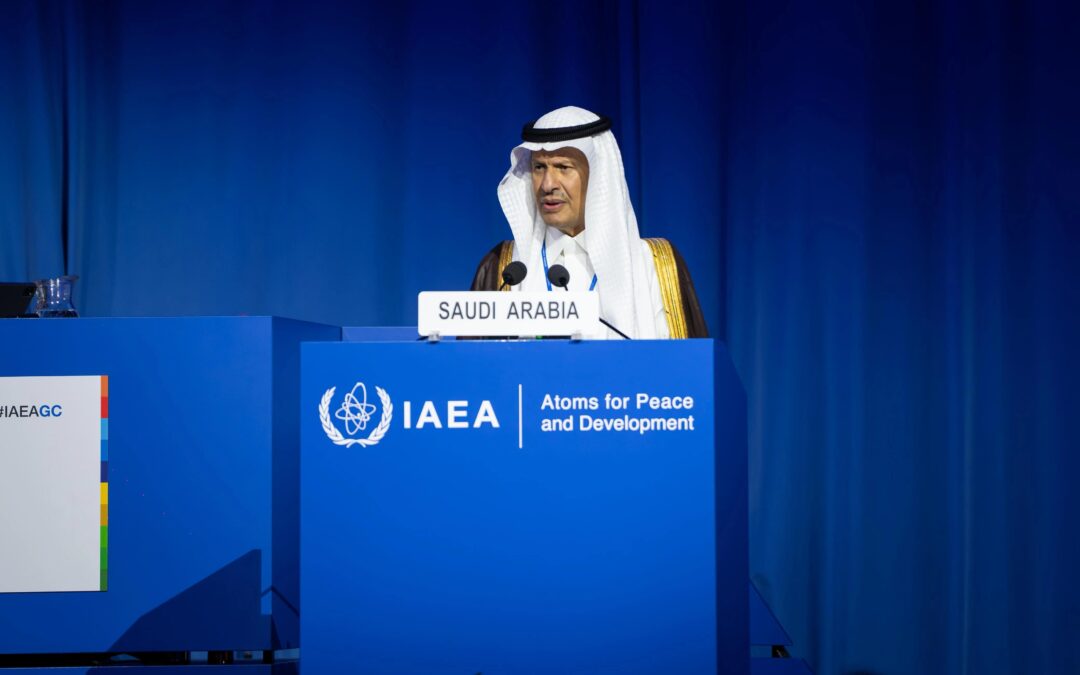
by Nikos Chatzis | 23 Jul, 2026 | Geopolitics, Nuclear Energy, The Techne–Phronesis Negotiation Framework™
The U.S.–Saudi Arabia civil nuclear agreement represents far more than an energy or commercial transaction. It is a strategic ecosystem arrangement connecting nuclear technology, energy security, industrial competition, regional deterrence, alliance management, and nuclear nonproliferation. Through the Techne–Phronesis Negotiation Framework™ (TPNF), the agreement can be interpreted as a test of whether technological capability can be transformed into lasting strategic value through systems thinking, continuous negotiation, responsible governance, and practical wisdom.

by Nikos Chatzis | 22 Jul, 2026 | Strategic Governance, Strategic Negotiation, Sustainable Value Creation, Systems Integration, Systems Leadership, Systems Thinking, The Techne–Phronesis Negotiation Framework™, Value Creation
This essay explores the concept of lasting strategic value as the ultimate outcome of the Techne–Phronesis Negotiation Framework™ (TPNF). It demonstrates that sustainable strategic success depends on continuously adapting, learning, negotiating, and governing complex ecosystems rather than pursuing isolated or short-term victories. Lasting strategic value is created through the continuous integration of technological capability, systems thinking, strategic negotiation, and practical wisdom across resilient multilevel network ecosystems.

by Nikos Chatzis | 22 Jul, 2026 | 3-D Negotiation, Ecosystem Dynamics, Ecosystem Strategy, Ecosystem Thinking, The Techne–Phronesis Negotiation Framework™, Value Creation
This essay demonstrates that negotiation is no longer a discrete event occurring at the end of decision-making. Rather, it is a continuous strategic capability that enables adaptation, innovation, resilience, and cooperation across complex adaptive systems. The Techne–Phronesis Negotiation Framework™ (TPNF) explains negotiation as the strategic process that transforms technological capability and systems understanding into adaptive leadership and long-term value creation.
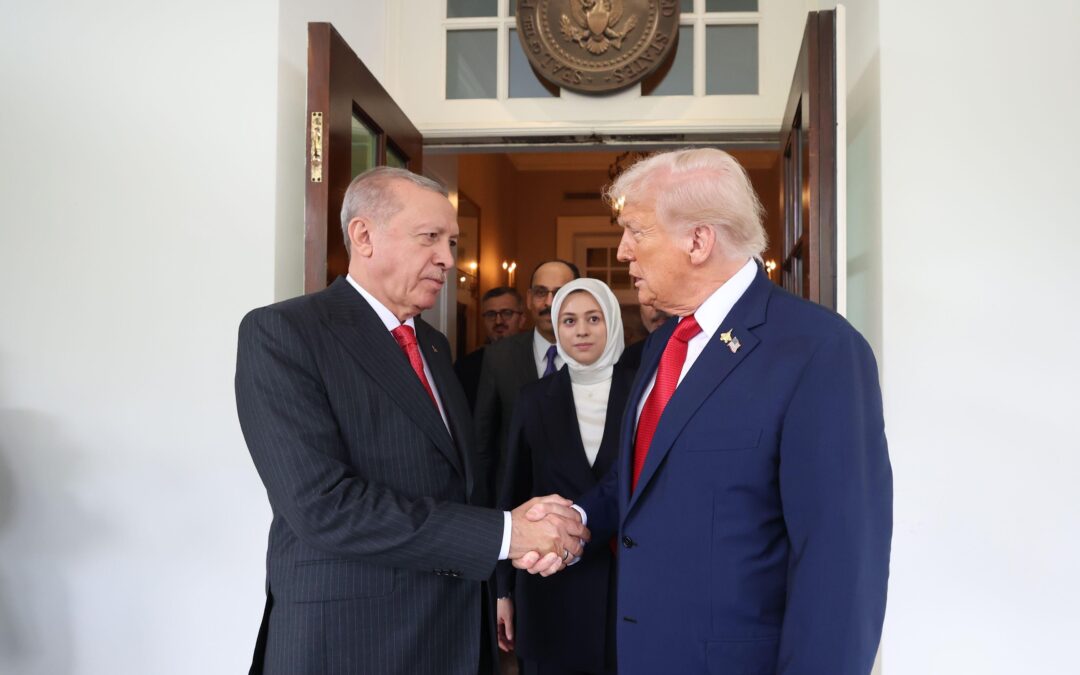
by Nikos Chatzis | 22 Jul, 2026 | Geopolitics, NATO, The Techne–Phronesis Negotiation Framework™, Turkey
Under the Techne–Phronesis Negotiation Framework™, the war demonstrates a central principle: Technology can generate destructive capability, but only systems understanding and strategic wisdom can transform operational power into sustainable political value. From a TPNF perspective, Erdoğan’s practical friendship with Trump may increase Turkey’s diplomatic access, while simultaneously reducing Ankara’s freedom of strategic manoeuvre.