Negotiation.gr | Strategic Wisdom for the Technological Age
“Strategic resilience emerges when technical capability (techne) is
continuously guided by practical wisdom (phronesis) through adaptive
negotiation across interconnected systems.”
Central Idea
State competition in the twenty-first century is increasingly determined not by military strength or economic output alone, but by the ability to build, govern, secure, and continuously adapt technological ecosystems. Artificial intelligence, semiconductors, digital infrastructure, critical minerals, cybersecurity, research institutions, innovation networks, and resilient supply chains collectively constitute the strategic foundations of modern geopolitical influence. The Techne–Phronesis Negotiation Framework™ (TPNF) explains this transformation by integrating technical capability (techne), practical wisdom (phronesis), systems thinking, and adaptive strategic negotiation into a comprehensive framework for understanding how technological ecosystems shape contemporary state competition and long-term strategic resilience.
Purpose of the Essay
The purpose of this essay is to explain why technological ecosystems have become the principal arena of contemporary geopolitical competition. It argues that strategic power increasingly depends upon a nation’s capacity to integrate technology, governance, education, innovation, industrial capability, diplomacy, and institutional resilience into coherent adaptive systems. The TPNF provides an interdisciplinary framework for understanding these developments and offers strategic insights for governments, international organizations, businesses, and policy-makers.
Abstract
The character of international competition has fundamentally changed. Contemporary geopolitical influence increasingly depends upon technological ecosystems integrating artificial intelligence, digital infrastructure, advanced manufacturing, research institutions, cybersecurity, critical minerals, education, resilient supply chains, and adaptive governance. States compete not merely through the accumulation of resources but through the capacity to coordinate interconnected systems that generate continuous innovation and strategic resilience.
The Techne–Phronesis Negotiation Framework™ (TPNF) proposes that technological ecosystems should be understood as complex adaptive systems governed through the interaction of technical capability (techne), practical wisdom (phronesis), systems thinking, and strategic negotiation. Rather than viewing technological competition as a purely economic or military phenomenon, the framework explains how innovation, governance, institutional learning, and geopolitical strategy co-evolve. This essay demonstrates that sustainable geopolitical influence depends upon the ability to negotiate resilient technological ecosystems capable of adapting continuously to an increasingly uncertain international environment.
Introduction
The international system is undergoing one of the most profound transformations since the Industrial Revolution.
Military capability remains significant.
Economic strength continues to matter.
Diplomatic influence remains essential.
However, technological ecosystems increasingly determine whether nations can sustain long-term strategic competitiveness.
Artificial intelligence accelerates innovation.
Semiconductors support digital economies.
Cybersecurity protects critical infrastructure.
Research institutions generate scientific knowledge.
Universities develop strategic human capital.
Supply chains sustain industrial production.
These interconnected capabilities collectively define the strategic architecture of state competition.
Beyond Traditional Geopolitics
Traditional geopolitical theories emphasized geography, military power, industrial production, and resource control.
These factors remain relevant.
Yet they are increasingly integrated within broader technological ecosystems.
Strategic competition now extends across cyberspace, artificial intelligence, biotechnology, quantum technologies, cloud computing, telecommunications, and digital governance.
Power emerges through the interaction of these interconnected domains rather than through isolated capabilities.
The TPNF provides a conceptual framework for understanding this systemic transformation.
Technological Ecosystems as Complex Adaptive Systems
Technological ecosystems exhibit the defining characteristics of complex adaptive systems.
They consist of numerous autonomous actors.
They evolve continuously.
Innovation emerges through interaction.
Knowledge diffuses across institutional boundaries.
Unexpected disruptions generate systemic consequences.
Strategic resilience therefore depends upon adaptation rather than stability.
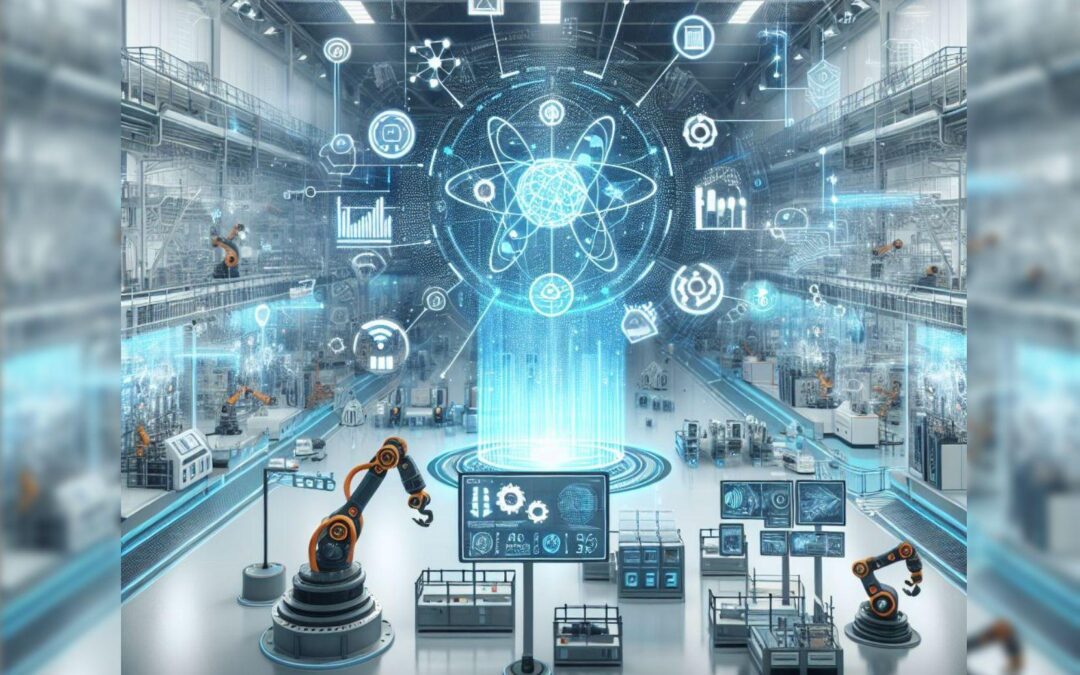
The TPNF interprets technological ecosystems as living strategic networks continuously negotiated among governments, industries, universities, investors, international organizations, and civil society.
The Role of Techne
Within the TPNF, techne represents scientific excellence, engineering capability, technological innovation, operational competence, and advanced industrial capacity.
It enables nations to develop artificial intelligence, semiconductor industries, digital infrastructure, aerospace technologies, advanced manufacturing, and critical technological capabilities.
However, technology alone does not create sustainable geopolitical influence.
The Role of Phronesis
Phronesis provides the strategic judgment necessary to govern technological ecosystems responsibly.
Practical wisdom guides investment priorities.
It balances innovation with ethics.
It integrates economic competitiveness with social legitimacy.
It connects technological ambition with long-term national purpose.
Within the TPNF, phronesis transforms technological capability into strategic resilience.
Strategic Negotiation Across Technological Networks
Technological ecosystems depend upon continuous negotiation.
Governments negotiate regulatory frameworks.
Industries negotiate innovation partnerships.
Universities negotiate research collaboration.
International organizations negotiate technological standards.
Technology firms negotiate cybersecurity, intellectual property, and digital governance.
These interactions collectively determine the evolution of technological civilization.
The TPNF therefore conceptualizes negotiation as the coordinating mechanism through which technological ecosystems remain adaptive.
Implications for Future State Competition
The future of geopolitical competition will increasingly depend upon several interconnected capabilities.
Developing resilient innovation ecosystems.
Strengthening semiconductor production.
Securing critical minerals.
Protecting digital infrastructure.
Investing in education and scientific research.
Advancing responsible artificial intelligence.
Enhancing institutional learning.
Cultivating adaptive strategic leadership.
States capable of integrating these capabilities will possess greater resilience and long-term strategic influence.
The foundations of state competition have fundamentally evolved. Technological ecosystems increasingly determine geopolitical influence by integrating innovation, digital infrastructure, education, research, governance, and industrial capability into adaptive strategic networks.
The Techne–Phronesis Negotiation Framework™ (TPNF) provides an integrative explanation for this transformation by demonstrating that sustainable strategic power emerges through the interaction of techne, phronesis, systems thinking, and adaptive strategic negotiation.
The future international system will therefore be shaped not simply by those states possessing the greatest technological resources, but by those capable of governing resilient technological ecosystems with wisdom, foresight, and strategic purpose.
Source: Open Sources Analysis, Relative Data Analysis by Nikos Chatzis
© Nikolaos Chatzis. All Rights Reserved.
The Techne–Phronesis Negotiation Framework™
An Integrative Theory of Strategic Negotiation, Complex Adaptive Systems & Practical Wisdom
Technology Creates Capability • Systems Thinking Creates Understanding • Strategic Wisdom Creates Lasting Value.
Negotiation.gr | Strategic Wisdom for the Technological Age