Negotiation.gr | Strategic Wisdom for the Technological Age
“Strategic resilience emerges when technical capability (techne) is
continuously guided by practical wisdom (phronesis) through adaptive
negotiation across interconnected systems.”
Central Idea
The reported transfer of hundreds of Chinese-made shoulder-fired air-defence missile launchers to Iran represents more than a tactical military procurement. Through the Techne–Phronesis Negotiation Framework™ (TPNF), it illustrates how technological capability, strategic adaptation, and geopolitical signaling interact within a broader ecosystem of regional and global power competition.
Purpose of the Essay
This essay explains how the reported acquisition (Reuters) of Chinese portable air-defence systems could influence Iran’s military recovery, reshape regional deterrence dynamics, deepen Sino-Iranian strategic cooperation, and affect the strategic calculations of the United States, Israel, the Gulf States, and Europe.
Introduction
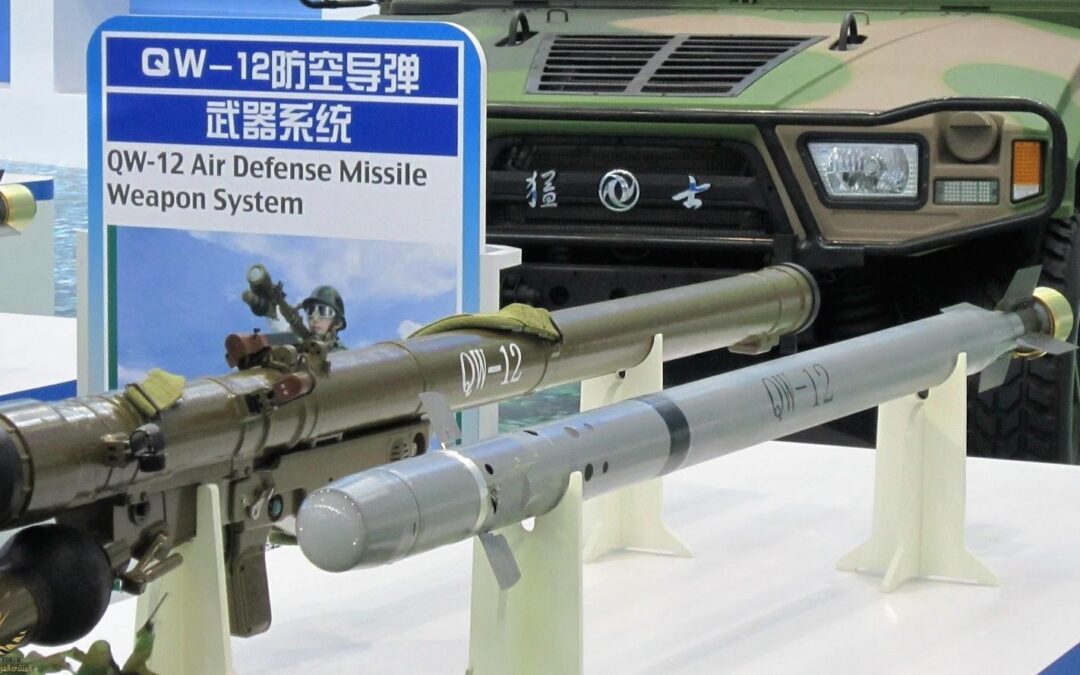
Military conflicts rarely end with ceasefires alone. They initiate periods of rapid institutional learning, force restructuring, and technological adaptation. If Iran receives hundreds of Chinese-made man-portable air-defence systems (MANPADS), the development would represent an important stage in rebuilding tactical defensive capabilities after months of conflict. Reuters has reported that Iran is expected to receive an initial shipment of up to 400 Chinese-made QW-12 and FN-16 systems, although Beijing has denied the reports and details remain unconfirmed.
From a TPNF perspective, the significance lies not only in the missiles themselves but in how military technology influences negotiations, deterrence, alliance behavior, and strategic ecosystems.
Technology as Strategic Capability
The first principle of TPNF states:
Technology Creates Capability.
Portable air-defence systems are not strategic weapons in the traditional sense, yet they substantially complicate an opponent’s operational environment.
Such systems can:
- Increase risks for helicopters and low-flying aircraft.
- Protect dispersed military units.
- Strengthen local air-defence coverage.
- Raise the operational costs of future air campaigns.
- Improve tactical resilience.
Although MANPADS do not replace integrated national air-defence networks, they can increase uncertainty for adversaries operating at lower altitudes.
China’s Expanding Strategic Role
Whether or not the reported delivery proceeds exactly as described, the reports highlight the broader trajectory of China–Iran security relations.
China increasingly acts through multiple instruments:
- economic partnerships,
- energy cooperation,
- technological exchanges,
- industrial investment,
- diplomatic engagement,
- and, according to the reports, selective defense cooperation.
Rather than seeking direct military confrontation with the United States, Beijing often advances its influence by expanding strategic partnerships that enhance its long-term geopolitical position while preserving room for diplomatic flexibility.
Iran’s Strategic Adaptation
The recent conflict exposed vulnerabilities in Iran’s air-defense posture, particularly around military infrastructure and strategic facilities. According to the Reuters report, the proposed acquisition is part of Tehran’s effort to strengthen short-range defenses after these weaknesses became apparent.
From the TPNF perspective:
- Military setbacks become organizational learning.
- Organizational learning drives modernization.
- Modernization reshapes deterrence.
- Deterrence influences future negotiations.
Strategic adaptation is therefore an iterative process rather than a single event.
The Regional Geopolitical Impact
The reported acquisition would affect several regional actors differently:
Israel may face a more challenging tactical environment for low-altitude operations, even if its broader technological and intelligence advantages remain substantial.
The United States would likely continue emphasizing intelligence, stand-off capabilities, electronic warfare, and suppression of enemy air defenses to offset localized improvements.
The Gulf States may accelerate investments in integrated air and missile defense while deepening security cooperation with Western partners.
China could reinforce its reputation as a strategic partner willing to support key regional actors without assuming direct military involvement, although its official position continues to deny the reported transfer.
Applying the Techne–Phronesis Negotiation Framework™
TPNF analyzes this development across three interconnected dimensions.
Technology
The reported MANPADS transfer represents an increase in tactical defensive capability rather than a transformation of the regional military balance.
Systems Thinking
The missiles influence a wider strategic ecosystem that includes logistics, training, doctrine, diplomacy, intelligence, sanctions, alliance management, and crisis stability.
Strategic Wisdom (Phronesis)
Decision-makers should avoid overestimating or underestimating the impact. Portable air-defense systems can complicate military operations, but they do not by themselves determine regional power balances. Their significance depends on integration, doctrine, sustainment, and the political context in which they are employed.
Strategic Implications
Several broader implications emerge:
- Iran continues rebuilding military capabilities despite sanctions and external pressure.
- China appears increasingly important in Middle Eastern strategic calculations, even as it publicly denies specific transfers.
- Regional deterrence becomes more complex as tactical defensive technologies proliferate.
- Air superiority may become more resource-intensive to achieve and maintain.
- Future negotiations will increasingly reflect the interaction between technological adaptation and geopolitical signaling rather than military strength alone.
The reported transfer of Chinese-made shoulder-fired air-defense missile launchers to Iran is best understood as part of a broader process of strategic adaptation. Even if the exact scale or timing changes, the episode illustrates how military technology, alliance behavior, and geopolitical competition are increasingly interconnected.
The Techne–Phronesis Negotiation Framework™ demonstrates that the strategic importance of such developments lies not simply in new equipment but in the evolving ecosystem of capability, perception, deterrence, and negotiation that surrounds it. In an era of technological geopolitics, states compete not only through the weapons they possess but through the strategic wisdom with which they integrate technology into enduring national strategy.
Key Takeaways
- Reported Chinese MANPADS deliveries highlight Iran’s efforts to rebuild tactical air defenses after recent conflict.
- The strategic impact depends on doctrine, integration, logistics, and training as much as on the weapons themselves.
- China–Iran cooperation continues to draw international attention, even as Beijing denies the specific reports.
- TPNF emphasizes that technological capability, systems thinking, and strategic wisdom together determine long-term geopolitical outcomes.
- Future regional security will increasingly be shaped by adaptive military ecosystems rather than isolated weapons acquisitions.
Author’s Reflection
The reported transfer of Chinese MANPADS to Iran illustrates a broader lesson of contemporary geopolitics: military technologies matter most when viewed as components of adaptive strategic ecosystems. The Techne–Phronesis Negotiation Framework™ encourages leaders and analysts to look beyond the immediate military transaction and examine how technological capability influences deterrence, diplomacy, alliance behavior, and long-term strategic resilience. It is this interaction between technology and practical wisdom—not technology alone—that increasingly shapes the future balance of power.
Nikolaos Chatzis
Source: Open Sources Analysis, Relative Data Analysis by Nikos Chatzis
© Nikolaos Chatzis. All Rights Reserved.
The Techne–Phronesis Negotiation Framework™
An Integrative Theory of Strategic Negotiation, Complex Adaptive Systems & Practical Wisdom
Technology Creates Capability • Systems Thinking Creates Understanding • Strategic Wisdom Creates Lasting Value.
Negotiation.gr | Strategic Wisdom for the Technological Age