Negotiation.gr | Strategic Wisdom for the Technological Age
“Strategic resilience emerges when technical capability (techne) is
continuously guided by practical wisdom (phronesis) through adaptive
negotiation across interconnected systems.”
Central Idea
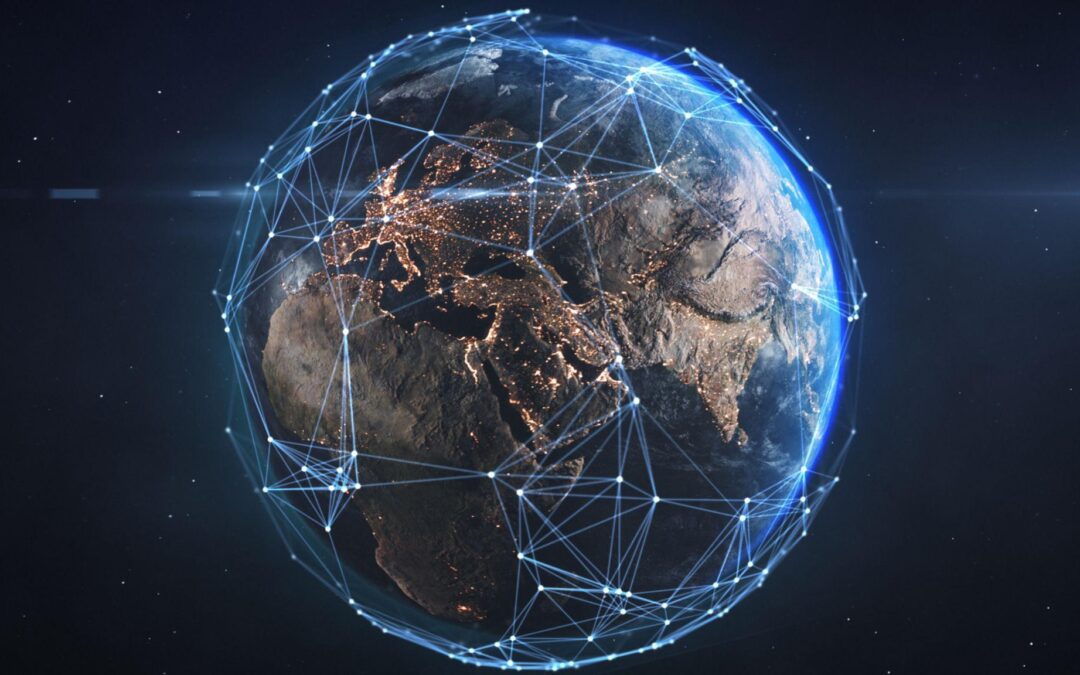
Contemporary geopolitical influence is increasingly determined not only by military power or economic capability but also by a state’s ability to participate in, coordinate, and adapt within Multilevel Network Ecosystems. These ecosystems encompass governments, international organizations, multinational corporations, financial institutions, universities, research centers, technology platforms, civil society organizations, media networks, and other non-state actors. They also include disruptive actors—such as terrorist organizations, insurgent movements, transnational criminal networks, and cyber threat actors—that can reshape regional stability and strategic decision-making. The Techne–Phronesis Negotiation Framework™ (TPNF) argues that the contemporary Non-Polar State is defined by its capacity to understand, influence, and adapt to these interconnected ecosystems through techne, phronesis, systems thinking, and strategic negotiation.
Purpose of the Essay
The purpose of this essay is to introduce the concept of the non-polar state as an analytical perspective for understanding contemporary geopolitics. Rather than viewing states solely through traditional models of polarity, the TPNF explains how influence increasingly arises from participation in multilevel network ecosystems that integrate technology, diplomacy, finance, innovation, governance, and international cooperation. The essay argues that strategic adaptation and resilient ecosystem governance are becoming defining characteristics of successful states in technological civilization.
Abstract
The international system is often described in terms of unipolarity, bipolarity, or multipolarity. However, accelerating technological change, economic interdependence, digital infrastructure, global finance, innovation ecosystems, and transnational governance increasingly challenge these traditional categories. States now exercise influence through complex relationships that extend beyond conventional measures of power.
The Techne–Phronesis Negotiation Framework™ (TPNF) proposes the concept of the non-polar state, emphasizing the capacity to operate within multilevel network ecosystems that connect governments, industries, research institutions, financial organizations, international bodies, and technological platforms. By integrating techne, phronesis, systems thinking, and strategic negotiation, the framework explains how adaptive ecosystem governance contributes to long-term geopolitical resilience and strategic value creation.
Introduction
Contemporary geopolitics is becoming increasingly networked.
Technology shapes national competitiveness.
Innovation influences economic growth.
Digital infrastructure connects societies.
Financial systems support strategic investment.
International organizations coordinate global governance.
Private technology companies influence public policy.
These developments suggest that geopolitical influence increasingly depends upon interconnected ecosystems rather than hierarchical structures alone.
Revised Definition: Multilevel Network Ecosystems / Geopolitics
Within the TPNF, Multilevel Network Ecosystems are adaptive systems composed of interconnected public, private, transnational, and non-state actors whose continuous interactions shape geopolitical, economic, technological, and security outcomes.
These ecosystems include:
- National governments
- International organizations
- Regional organizations
- Multinational corporations
- Financial institutions
- Universities and research centers
- Technology companies
- Civil society organizations
- Think tanks and policy institutes
- Media and information platforms
- Local communities
- Strategic alliances
- Non-state armed groups
- Terrorist organizations
- Transnational criminal networks
- Cyber actors and digital influence networks
The framework does not treat these actors as equivalent in legitimacy or purpose. Rather, it recognizes that all can influence the dynamics of complex geopolitical systems and therefore must be considered when analyzing strategic adaptation.
The Contemporary Non-Polar State
The TPNF proposes that a contemporary Non-Polar State is one whose strategic position depends increasingly on its ability to navigate multiple, overlapping ecosystems rather than relying exclusively on traditional measures of national power.
Its strategic effectiveness derives from its ability to:
- Integrate technological innovation.
- Build resilient institutions.
- Coordinate diplomatic partnerships.
- Engage global financial networks.
- Participate in innovation ecosystems.
- Counter hostile non-state actors.
- Protect critical infrastructure.
- Strengthen societal resilience.
- Adapt continuously to evolving geopolitical environments.
The state therefore becomes a network orchestrator rather than merely a territorial actor.
Multilevel Network Ecosystems and Strategic Adaptation
Strategic adaptation occurs simultaneously across multiple ecosystem layers.
Governmental Layer
- National governments
- Regional authorities
- International institutions
Economic Layer
- Global industries
- Financial markets
- Investment networks
Technological Layer
- Artificial intelligence
- Digital platforms
- Innovation ecosystems
- Cyber infrastructure
Knowledge Layer
- Universities
- Research institutions
- Think tanks
Societal Layer
- Civil society
- Media
- Local communities
Security Layer
- Armed forces
- Intelligence services
- International security partnerships
Disruptive Layer
- Terrorist organizations
- Violent extremist groups
- Transnational criminal organizations
- Cyber threat actors
Each layer continuously influences the others through cooperation, competition, negotiation, adaptation, and conflict.
The TPNF expands traditional geopolitical analysis by proposing that contemporary power is increasingly exercised within Multilevel Network Ecosystems rather than exclusively through interactions among sovereign states.
The concept of the Non-Polar State recognizes that governments now operate alongside multinational corporations, financial institutions, international organizations, universities, civil society, digital platforms, and a range of non-state actors—including disruptive actors such as terrorist organizations and transnational criminal networks—that influence strategic outcomes.
Consequently, effective governance requires more than military capability or economic strength. It requires the integration of techne, phronesis, systems thinking, and strategic negotiation to understand and manage the complexity of these interconnected ecosystems. The future of geopolitical resilience will depend on the ability of states to coordinate legitimate partnerships, counter destabilizing actors, and transform complex networks into sustainable strategic value.
Source: Open Sources Analysis, Relative Data Analysis by Nikos Chatzis
© Nikolaos Chatzis. All Rights Reserved.
The Techne–Phronesis Negotiation Framework™
An Integrative Theory of Strategic Negotiation, Complex Adaptive Systems & Practical Wisdom
Technology Creates Capability • Systems Thinking Creates Understanding • Strategic Wisdom Creates Lasting Value.
Negotiation.gr | Strategic Wisdom for the Technological Age